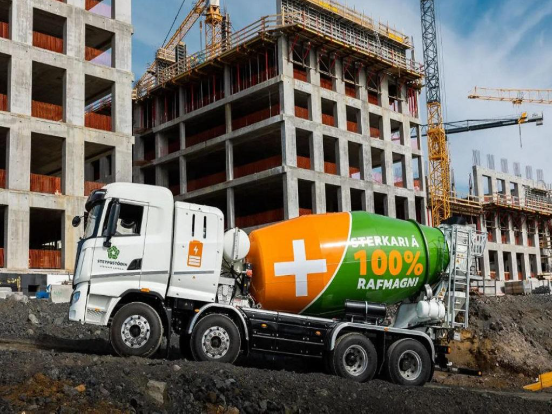
Efficient cement mixer truck operations help construction teams maintain steady workflow, reduce delays, and deliver high-quality concrete to every pour. Small adjustments in mixing, routing, and communication make a big difference in daily performance. By improving coordination between drivers, site crews, and equipment operators, projects run smoother. These tips help maximise productivity while protecting concrete integrity throughout transport and placement.
Optimising Mixing and Delivery Processes
Adjusting Drum Speed to Maintain Ideal Consistency
Drum speed affects concrete uniformity, so operators must adjust rotation based on travel distance and project needs. Slow mixing during travel prevents over-agitation, while higher speeds help re-blend the load before pouring. Monitoring viscosity and adjusting accordingly ensures consistent results. Proper drum control keeps the concrete stable and ready for accurate placement as soon as the truck reaches the site.
Coordinating Mixing Times With Pouring Schedules
Mixing time should align with the planned pour to ensure the concrete arrives fresh and ready. Dispatch teams and site crews must coordinate schedules so trucks begin mixing at the ideal time. This prevents early setting and reduces waiting on site. Timed mixing helps maintain proper slump, improves workability, and keeps the project moving without unnecessary delays in concrete placement.
Monitoring Slump Levels for Accurate On-Site Performance
Slump levels determine how well the concrete flows during pouring. Drivers must check slump before leaving the plant and again on arrival. Small adjustments may be needed to meet project requirements. Maintaining the correct slump ensures smoother handling, reduces waste, and minimises rework at the pour site. Consistent monitoring leads to better structural quality and improved finishing results.
Improving Route Planning and Site Coordination
Selecting Shorter and Smoother Delivery Paths
Choosing efficient routes helps protect concrete quality and reduce travel time. Drivers should avoid rough roads that cause mix separation or slowdowns. Pre-planned routes save fuel and reduce stress on the truck. Using navigation tools and site instructions helps identify smoother paths. Improved routing maintains mix integrity and ensures the truck reaches the site on schedule without unnecessary delays.
Timing Arrivals to Match Crew and Equipment Readiness
Proper scheduling ensures trucks arrive when crews and equipment are prepared for pouring. Arriving early leads to idle time, while late arrivals disrupt workflow and risk concrete setting. Coordinating arrival times with site leaders keeps the process efficient. This planning helps maintain productivity, reduces bottlenecks, and supports continuous work during large or fast-paced concrete operations.
Avoiding Traffic and On-Site Congestion Delays
Traffic slows delivery and affects concrete quality, so drivers should monitor conditions and adjust routes when needed. On-site congestion also delays pouring and increases risks. Clear access paths and staging areas help trucks move smoothly. Coordinating with site managers prevents blockages and keeps delivery flowing. Avoiding delays ensures the concrete stays workable and supports timely project progress.

Enhancing Equipment Use and Daily Operation
Maintaining Proper Drum Cleaning After Every Job
Cleaning the drum after each delivery prevents hardened buildup that reduces capacity and weakens mixing performance. Operators should follow proper washout procedures immediately after unloading. Removing residue keeps blades efficient and prevents long-term damage. A clean drum supports consistent mixing quality and reduces maintenance costs. Routine cleaning also protects the truck from internal strain caused by excess weight.
Reducing Idle Time to Save Fuel and Wear
Excessive idling wastes fuel and increases engine wear. Drivers should shut down the engine when waiting longer than a few minutes, as long as drum rotation is not required. Efficient idle management extends engine life and reduces operating costs. Limiting unnecessary running helps keep the truck in good condition and supports sustainable, cost-effective fleet operations throughout the workday.
Ensuring Responsive Controls for Smooth Manoeuvring
Responsive steering, braking, and drum controls help operators manoeuvre safely on active job sites. Regular testing ensures systems react correctly under load. Smooth control reduces spill risks, prevents accidents, and supports accurate positioning near pour locations. Maintaining responsive controls improves workflow, especially in tight or congested areas where precision and stability are essential for safe and efficient concrete delivery.
Boosting Team Communication and Workflow Planning
Sharing Real-Time Schedule Updates With Drivers
Real-time updates help drivers adjust routes, manage timing, and prepare for unexpected changes. Coordination tools or radio communication keep everyone informed about delays, onsite readiness, or modified pour schedules. This transparency prevents waiting, reduces errors, and supports efficient concrete flow. Keeping drivers updated ensures smoother operations and helps maintain proper mix quality throughout the delivery process.
Coordinating Pouring Teams for Continuous Operation
Pouring teams must stay ready when trucks arrive to keep the process moving. Clear coordination avoids gaps between loads that create cold joints. Planning labour, equipment, and staging areas supports uninterrupted operation. Smooth coordination improves productivity and ensures high-quality placement. A well-organised team reduces downtime and keeps the construction schedule on track during large or multi-phase pours.
Establishing Clear Signals for Safe Truck Movement
Clear communication between drivers and ground crews prevents accidents and ensures safe navigation around the site. Hand signals, radios, or spotters guide the truck to the correct discharge point. Consistent signalling reduces confusion and supports smooth manoeuvring in tight spaces. Safe and well-structured movement improves workflow, protects workers, and helps the truck operate efficiently during every stage of the pour.
Conclusion
Improving cement mixer truck efficiency requires strong coordination, proper equipment use, and smart planning. By refining mixing practices, optimising routes, and maintaining clear communication, crews keep concrete fresh and projects running smoothly. Consistent cleaning, reduced idle time, and precise manoeuvring also support long-term reliability. These efficiency tips help construction teams deliver better results and maintain steady productivity on every site.