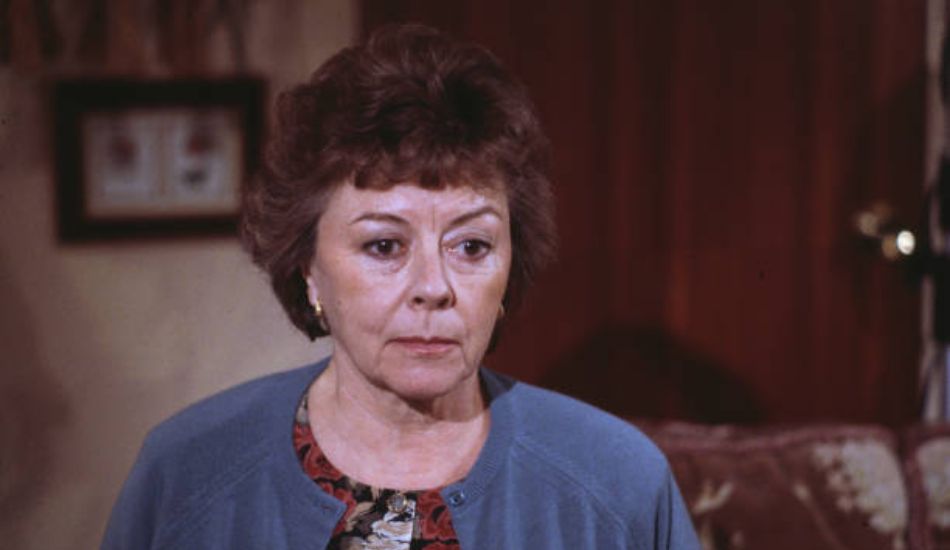
Who Is Dorothy Tutin?
Dorothy Tutin was one of the most distinguished English actresses of the 20th century, celebrated for her commanding presence on stage and her memorable performances in film and television. Best known for her Shakespearean roles and classical theatre work, she enjoyed a career that spanned more than five decades. Her artistry, intelligence, and emotional depth earned her critical acclaim, major awards, and ultimately a damehood for services to drama.
Although she appeared in a number of well-known films and television productions, Dorothy Tutin’s greatest reputation rests on her theatre career, where she was regarded as one of the finest actresses of her generation. Today, she remains an important figure in British cultural history, frequently referenced in biographies, theatre studies, and online searches such as Dorothy Tutin Wikipedia, Dorothy Tutin actress, and Dorothy Tutin movies and TV shows.
Dorothy Tutin Age, Birth, and Early Life
Dorothy Tutin was born on 8 April 1930 in London, England. She grew up in a family that valued education and culture, though her childhood was marked by emotional difficulty. One of the most significant early tragedies in her life was the death of her older half-brother, an event that deeply affected her and shaped her emotional sensitivity—something many critics later felt contributed to her depth as an actress.
She was educated at St Catherine’s School in Bramley, Surrey, and later trained at the Royal Academy of Dramatic Art (RADA), one of the most prestigious acting schools in the world. At RADA, she quickly distinguished herself as a serious, disciplined performer with an exceptional understanding of classical texts.
Dorothy Tutin Actress Career: Theatre Beginnings
Dorothy Tutin made her professional stage debut in 1949, and it did not take long for her to gain attention in London theatre circles. She became closely associated with Shakespearean drama, performing with the Royal Shakespeare Company (RSC) and at major theatres such as the Old Vic and the Royal National Theatre.
Her Shakespeare roles included:
- Juliet (Romeo and Juliet)
- Ophelia (Hamlet)
- Viola (Twelfth Night)
- Lady Macbeth (Macbeth)
Critics frequently praised her for combining intellectual clarity with emotional intensity, a rare balance that made her performances both powerful and deeply human.
Over time, she won multiple major theatre awards, including Evening Standard Theatre Awards and Laurence Olivier Awards, confirming her status as one of Britain’s leading stage actresses.
Dorothy Tutin Movies: Film Career Overview
Although theatre was her primary artistic home, Dorothy Tutin also appeared in a number of notable films. Her film work often leaned toward literary adaptations and historical dramas, aligning with her classical training.
Some of the most important Dorothy Tutin movies include:
- The Importance of Being Earnest (1952) – as Cecily Cardew
- The Beggar’s Opera (1953) – as Polly Peachum
- A Tale of Two Cities (1958) – as Lucie Manette
- Cromwell (1970) – as Queen Henrietta Maria
- Savage Messiah (1972)
- The Shooting Party (1985)
While she never pursued Hollywood stardom aggressively, her film performances were consistently praised for their elegance and restraint. Today, searches such as Dorothy Tutin movies and actress Dorothy Tutin continue to introduce new audiences to her cinematic work.
Dorothy Tutin Movies and TV Shows
Television allowed Dorothy Tutin to reach a broader audience later in her career. She became particularly well known for her appearances in BBC historical dramas, which suited her authoritative style and classical training.
Her most famous television role was Anne Boleyn in The Six Wives of Henry VIII (1970), a landmark BBC series that remains influential in British television history. Her portrayal was praised for its dignity, emotional complexity, and historical realism.
Other television appearances included:
- The Spy’s Wife
- All Creatures Great and Small
- Numerous BBC stage adaptations and period dramas
Her television work ensured that the phrase Dorothy Tutin movies and TV shows remains a popular search topic even decades after her death.
Dorothy Tutin Family: Father, Mother, and Siblings
Understanding Dorothy Tutin family background helps explain much about her character and career.
- Father: John Tutin
- Mother: Adie Evelyn Fryers
- Siblings: She had an older half-brother, Eric, who died in childhood
The early loss of her brother had a profound emotional impact on her. Friends and colleagues later noted that she possessed a deep emotional awareness, which many believed enriched her dramatic performances.
Dorothy Tutin Relations and Marriage
In her personal life, Dorothy Tutin was known to be private and reserved. She married actor Derek Waring in 1963, and the marriage lasted until her death in 2001.
Their relationship was regarded as stable and supportive, particularly important in a profession often marked by uncertainty. Derek Waring was himself a respected actor, and the couple shared a mutual understanding of the demands of the performing arts.
Searches such as Dorothy Tutin married to and Dorothy Tutin relations often reflect public curiosity about this enduring partnership.
Dorothy Tutin Kids and Daughter
Dorothy Tutin had two children with Derek Waring:
Both followed their parents into acting, making the Tutin–Waring household a true theatrical family.
Her daughter, Amanda Waring, is particularly well known and appeared alongside her mother in All Creatures Great and Small. This on-screen collaboration is often highlighted in articles about Dorothy Tutin daughter and Dorothy Tutin kids, showing how her legacy extended into the next generation.
Dorothy Tutin Net Worth
There is no publicly verified figure for Dorothy Tutin’s net worth. Unlike many modern celebrities, actors of her generation did not commonly disclose financial details, and reliable estimates are unavailable.
However, given her long and successful career in theatre, film, and television—along with major awards and honors—it is reasonable to assume she lived comfortably, though never extravagantly. Any specific claims about Dorothy Tutin net worth should be treated cautiously due to the lack of authoritative data.
Dorothy Tutin Honors and Achievements
Dorothy Tutin received numerous accolades during her lifetime, reflecting her immense contribution to British drama:
- Commander of the Order of the British Empire (CBE) – 1967
- Dame Commander of the Order of the British Empire (DBE) – 2000
- Multiple Olivier Awards
- Tony Award nomination for Broadway work
These honors cemented her reputation as one of the great figures in British theatrical history.
Dorothy Tutin Cause of Death
Dorothy Tutin passed away on 6 August 2001 in Midhurst, West Sussex, England.
The cause of death was leukaemia.
She was 71 years old at the time of her death. Her passing was widely mourned in the British arts community, with tributes emphasizing her intelligence, grace, and profound influence on stage acting.
Dorothy Tutin Wikipedia and Lasting Legacy
According to Dorothy Tutin Wikipedia and numerous theatre historians, her legacy lies not only in individual performances but in the standard she set for classical acting. She helped define what it meant to be a serious, disciplined, and intellectually engaged performer.
Her influence can still be felt in British theatre training, Shakespearean interpretation, and period drama acting styles. Students, scholars, and fans continue to explore her work through films, television reruns, and archival stage recordings.
Conclusion: Remembering Dorothy Tutin
Dorothy Tutin was far more than just an actress—she was a pillar of British dramatic art. From Shakespearean heroines to historical queens, from stage triumphs to memorable screen roles, she embodied excellence in performance. Her family life, professional discipline, and artistic integrity make her story both inspiring and enduring.
Articles like this help keep her memory alive for modern audiences, and platforms such as moviesmod continue to play an important role in preserving and sharing the legacies of classic cinema and theatre icons like Dorothy Tutin.