Outdoor security cameras are a critical component of any contemporary home security system, providing protection against burglars, vandals, and other potential dangers. When choosing an outdoor camera, emphasize characteristics that give quality video footage, consistent performance, and convenience of use. Video quality, weather resistance, motion detection, and power options all have a significant impact on the usefulness of these cameras. Understanding the major features and picking the correct camera for your needs can keep your house safe and secure while also providing you with peace of mind when you are away.
Key Features to Consider in Outdoor Security Cameras
Video Quality and Resolution
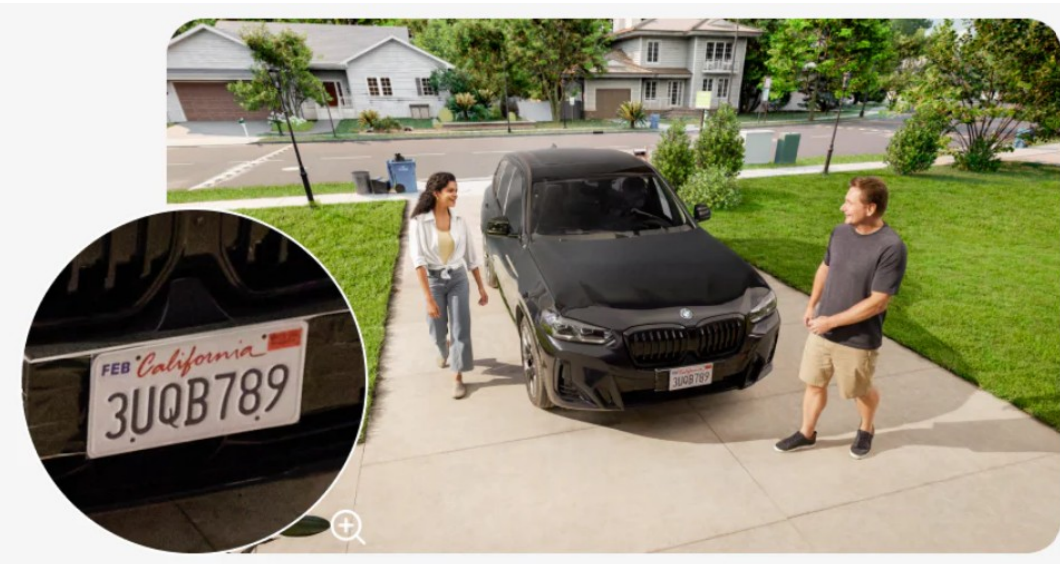
Video quality and resolution are the most important factors to consider when selecting an outdoor security camera. Higher quality cameras, including 1080p or 4K versions, provide crisp, detailed video that may be used to spot suspicious behavior or intruders. When examining film for proof or confirming a scenario, clear video is very crucial. For a fair mix between clarity and storage needs, take into consideration cameras with at least HD resolution (720p or 1080p). Furthermore, cameras with wide-angle lenses are more useful since they record a larger portion of the surroundings of your house. Always give top priority to a solution that satisfies your security requirements without exceeding your storage capacity.
Weather Resistance and Durability
Outdoor security cameras must be weatherproof since they are constantly exposed to the elements. Look for cameras with an IP (Ingress Protection) rating of 65 or above, which is perfect for rain, dust, and harsh temperatures. To protect the camera from wear and tear, the housing should be built of long-lasting, weather-resistant materials like metal or high-quality plastic. A camera engineered to withstand rain, snow, and heat will provide constant performance throughout the year, regardless of season. Durability is essential since it avoids damage and guarantees the camera can watch your property for years.
Night Vision and Low-Light Performance
Night vision and low-light performance are critical qualities for outdoor cameras, guaranteeing good images even at night. Cameras using infrared (IR) technology can see up to 30 feet or more in full darkness, making it simpler to monitor your property at night or in poorly lit regions. Some sophisticated versions have color night vision, which delivers more detailed and vibrant imagery than traditional black-and-white infrared pictures. If your home has dark corners or a poorly lit driveway, investing in a camera with great low-light capabilities allows you to observe what’s going on around your property day and night, improving overall security.

Motion Detection and Alerts: Why They Matter
Customizable Motion Zones and Sensitivity
You may adjust your outdoor security camera’s motion zones and sensitivity settings to better monitor particular locations. Motion zones allow you to focus on regions that are in the camera’s field of view, such as the front door or driveway, while blocking off irrelevant surroundings, like passing automobiles or wind-blown trees. Sensitivity settings let you adapt for varying activity levels by determining how much movement is required to set off an alarm. By eliminating pointless alerts and guaranteeing that crucial motions, like someone approaching your door, are promptly identified, this personalization improves accuracy and dependability.
Real-Time Alerts and Notifications
Outdoor security cameras are most useful when they provide real-time warnings and notifications. These notifications are delivered to your smartphone or email when motion is detected, allowing you to respond promptly to possible security risks. Whether you’re at home or on the road, timely notifications keep you aware of any activity on your property. Some cameras even provide live video feeds right to your phone, allowing you to watch what’s occurring in real time. Real-time notifications, paired with the camera’s motion detection functions, keep you informed of any possible threats, allowing you to take immediate action if necessary.
Power and Connectivity Options for Outdoor Cameras
Wired vs. Wireless Security Cameras
Outdoor security cameras are available in both wired and wireless configurations, each with its own set of advantages. Wired cameras require electricity and are typically more difficult to install, but they give a consistent and continuous video stream. They are less prone to experiencing connectivity troubles and may provide higher video quality with fewer interruptions. Wireless cameras, on the other hand, are easier to install and more adaptable since they do not require power cords or sophisticated cabling. They rely on Wi-Fi; therefore, maintaining a solid connection is critical for consistent performance. The decision between wired and wireless depends on your installation preferences and security requirements.
Battery Life and Charging Considerations
For wireless outdoor security cameras, battery life is a crucial consideration. Some cameras include rechargeable batteries, while others may have replacement battery packs. A camera’s battery life is determined by several aspects, including its resolution, motion detection frequency, and frequency of usage. Cameras with high-resolution video or continuous recording capabilities may exhaust their batteries faster. Many versions have low-battery notifications, allowing you to charge the batteries before they run out. Consider cameras with energy-saving settings or solar-powered choices to reduce the need for regular charging or battery replacement, resulting in continuous operation with low maintenance.
Wi-Fi Range and Stability
Wi-Fi range and reliability are important to the functionality of wireless outdoor cameras. Cameras use a robust Wi-Fi connection to transmit footage and give real-time warnings. If your router is too far away from the camera, it may encounter signal dropouts or sluggish streaming, which reduces the camera’s efficacy. Make sure your camera is within range of your Wi-Fi router, or try adding a Wi-Fi extender to improve the signal. The reliability of your connection is also vital; search for cameras that offer dual-band Wi-Fi to minimize interference and ensure seamless functioning. A stable Wi-Fi connection allows continuous video surveillance and timely notifications.
Conclusion
Choosing the best outdoor security camera necessitates careful consideration of a number of critical elements, including video quality, weather resistance, motion detection, and connection. High-quality video, weather resistance, and good night vision are required for consistent performance. Furthermore, adjustable motion detection zones, real-time notifications, and dependable power options improve the functioning of these devices. Whether you choose a wired or wireless camera, having a solid Wi-Fi connection and an acceptable battery life will enable ongoing monitoring. With the appropriate features, outdoor security cameras may provide a vital layer of protection for your house, keeping it safe and secure from possible dangers.