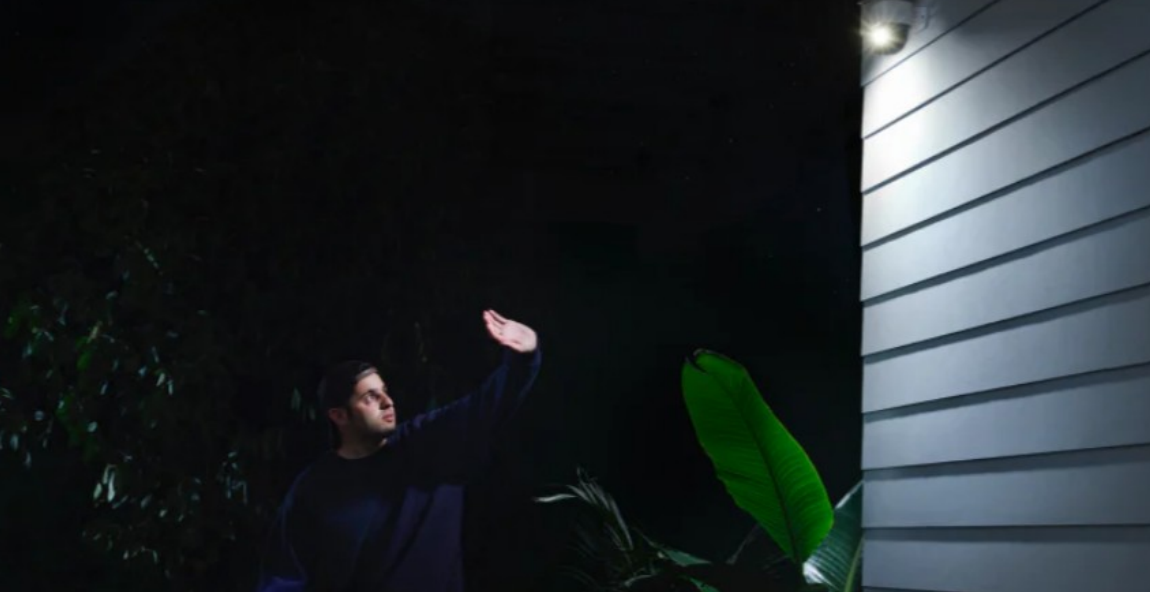
Security cameras are critical for providing 24-hour surveillance, but a prevalent worry among consumers is whether they can record effectively at night. Nighttime recording is essential for monitoring properties after dark, when the bulk of crimes take place. With developments in night vision technology, many contemporary cameras now provide good nighttime sight. However, the quality of night vision can differ depending on a number of factors, including camera technology, lighting conditions, and location. This article will look at how night vision works in security cameras, the elements that influence nighttime recording, and how to optimize nighttime footage for increased security.
How Night Vision Technology Works in Security Cameras?
Infrared vs. Color Night Vision
Security cameras employ two types of night vision technology: infrared (IR) and color night vision. IR night vision uses infrared light to illuminate a scene that is invisible to the naked eye but visible to the camera’s sensor. This allows the camera to record quality footage even in complete darkness. Color night vision, on the other hand, uses visible light sources to generate color visuals even at nighttime. It delivers a more realistic and detailed vision, but it performs best in low light rather than total darkness. Both systems offer advantages, depending on your security requirements.
The Role of IR LEDs in Nighttime Footage
Infrared (IR) LEDs are critical components of night vision systems in security cameras. These LEDs emit infrared light, which lights the area in front of the camera but is invisible to the human eye. The camera’s sensor collects this infrared light, resulting in a crisp black-and-white image at night. The quantity and quality of IR LEDs in a camera directly affect the range and clarity of nighttime footage. Cameras with increasingly powerful IR LEDs may catch higher-quality images across longer distances. However, intense infrared illumination can occasionally produce overexposure or “wash-out,” thus precise camera location is critical for maximum performance.
Factors That Influence Nighttime Recording Quality
Camera Resolution and Sensitivity
Camera resolution and sensitivity are crucial factors in influencing the quality of nighttime recordings. Higher resolution cameras capture more information, making it simpler to recognize people and objects in low light. A 1080p camera, for example, produces more detailed images than a 720p camera. Furthermore, camera sensitivity—specifically, the sensor’s capacity to collect light—influences night-time performance. A more sensitive camera can collect more light, resulting in better image clarity in low-light circumstances. Cameras with high-quality sensors may deliver more information even in low-light conditions. For efficient nighttime monitoring, you must ensure that your camera has sufficient resolution and sensitivity.
Lighting Conditions and Environmental Impact
Lighting and ambient elements have a significant impact on the quality of nighttime film. While some cameras operate well in low-light conditions, others may struggle to capture crisp photographs without enough illumination. Streetlights, porch lights, and ambient light from windows may all help a camera record crisper photographs. However, even with night vision equipment, environmental factors such as fog, rain, or snow can reduce sight. Furthermore, the camera’s closeness to sources of light or barriers, such as trees or buildings, might cause shadows or glare, reducing the quality of the film. Proper installation and monitoring of external illumination are critical for increasing evening visibility.
Distance and Camera Placement
The camera’s distance from the monitored area, as well as its positioning, are critical for good nighttime recording. Security cameras have a limited range for collecting good photos in low-light situations, and the further the camera is from the subject, the worse the image quality. To achieve peak performance, cameras should be positioned within the effective range of their night vision capabilities. Furthermore, camera placement should minimize possible barriers such as shrubs or walls, which might obscure the camera’s vision or interfere with IR illumination. A well-placed camera at an appropriate distance from the monitored area provides better, more detailed footage at night.
How to Improve Nighttime Recording Performance?
Enhancing IR Lighting and Camera Placement
Improving IR illumination and camera positioning can greatly increase nighttime recording quality. Adding more IR lights can increase the camera’s night vision range, allowing it to catch sharper images in darker environments. This is especially beneficial for vast estates or places away from current illumination sources. Proper camera location is also critical, since placing cameras too far away from the monitored area or near obstacles might reduce the efficiency of IR lights. Cameras should be set at the proper height and angle to maximize visibility and reduce blind spots. Improved illumination and smart positioning contribute to clearer nighttime monitoring.
Upgrading to Cameras with Better Night Vision
The performance of nighttime recording may be greatly improved by switching to a security CCTV camera with improved night vision technology. Many contemporary CCTV cameras have better lenses and sophisticated infrared sensors, which provide crisper video in low light. These days, some CCTV cameras include color night vision, which produces more precise and detailed images at night. By choosing a cctv camera with better night vision capabilities, such as those with a higher IR range or better light sensitivity, you can improve the clarity of nighttime footage. Although upgrading may involve additional costs, the improved image quality and enhanced security make it a worthwhile investment for reliable surveillance.
Using External Lighting for Better Footage
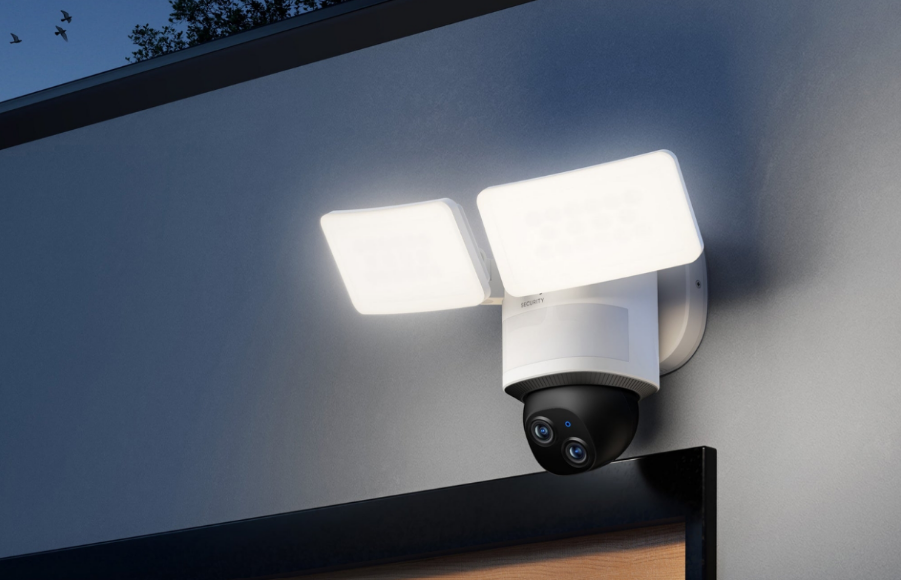
External illumination may dramatically improve the quality of nighttime footage. Installing motion-activated lights or extra floodlights in crucial places enhances the amount of visible light that the camera can collect, resulting in higher video clarity. Unlike infrared light, visible illumination allows security cameras to record in color, which is better for distinguishing people or things. When adding exterior illumination, make sure it is positioned to minimize glare or shadows that may obscure the camera’s vision. Furthermore, integrating external lighting with motion detection functions guarantees that the camera catches high-quality footage when it matters most, without overexposing the area.
Conclusion
Security cameras using night vision technology can provide useful protection, but their performance is heavily dependent on elements such as resolution, sensitivity, and location. Understanding the various types of night vision and how environmental factors impact image quality can allow you to customize your system for crisper recordings. Adjusting IR illumination, upgrading to better cameras, and employing external lighting can all help improve nighttime monitoring. With the proper configuration and a few smart tweaks, you can ensure that your security cameras provide high-quality footage even in low-light circumstances, providing dependable protection around the clock.