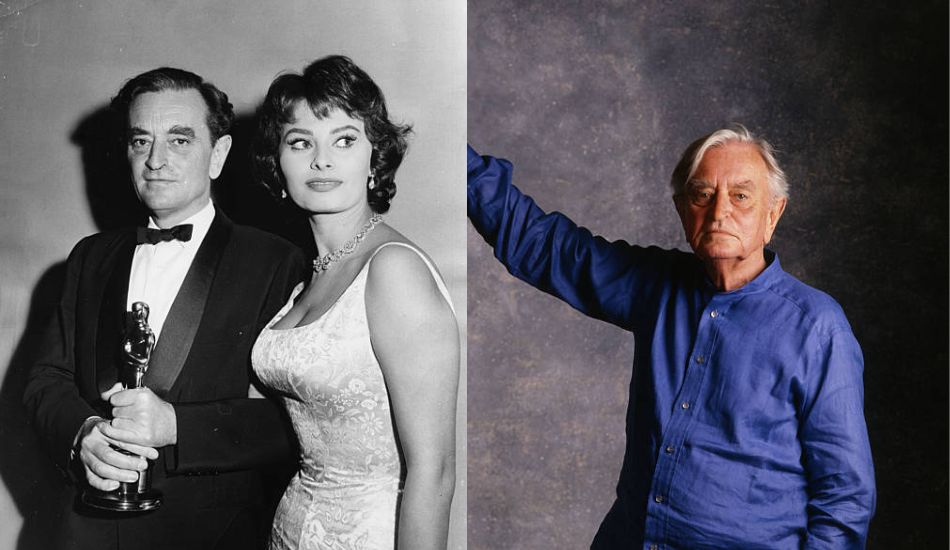
Sir David Lean stands as one of the most influential filmmakers in cinema history. Renowned for his sweeping epics, meticulous craftsmanship, and deeply emotional storytelling, Lean’s work is not just admired by audiences but also studied by filmmakers worldwide. His films—from intimate human dramas to monumental historical epics—reshaped what movies could achieve both artistically and technically.
Who Is David Lean?
David Lean was a British film director, producer, editor, and screenwriter whose career spanned over four decades. Born on March 25, 1908, in Croydon, Surrey, England, Lean began his film journey in the cutting rooms before moving into directing. His work bridged the classical studio era and the emergence of grand cinematic storytelling that dominated the middle of the 20th century.
Lean’s films range widely in genre, tone, and scale—from romantic psychological dramas to literary adaptations and epic historical blockbusters. What connects them is his remarkable sense of composition, pacing, and a rare ability to convey vast emotional depth through imagery and music.
Early Life and Family
David Lean was born to Francis William le Blount Lean and Helena Tangye. His upbringing in a Quaker household imbued him with a reflective nature. Lean had a younger brother, Edward Tangye Lean, who went on to become a literary figure. Lean grew up in a household that valued literature and art, fostering his early interest in storytelling and creativity.
Lean’s early education was unremarkable, and he left school in his late teens to work at his father’s accounting firm. Yet his destiny lay elsewhere—an uncle’s gift of a camera ignited his passion for images and visual storytelling, laying the foundation for his future in film.
David Lean’s Brother and Family Environment
Although not as famous as his brother, Edward’s involvement in literary circles reflected a creative household. There’s no widely reported record of Lean having sisters. His family background, though modest, encouraged intellectual and artistic exploration, which influenced his cinematic sensibilities.
David Lean’s Age and Lifespan
- Born: March 25, 1908
- Died: April 16, 1991 (aged 83)
Lean lived a long life and passed away at 83, leaving behind a cinematic legacy unmatched by most of his contemporaries.
David Lean’s Career and Filmography
David Lean’s career can be roughly divided into three phases:
1. Early Trainee to Editor (1920s–1930s)
Lean entered the film industry as a tea boy and camera assistant before becoming one of the highest‑paid film editors in Britain by the late 1930s. His early editing work included projects such as Pygmalion. His skill as an editor allowed him to understand storytelling, rhythm, and pacing, which later defined his style as a director.
2. Rising Director of British Cinema (1940s–1950s)
Lean’s first solo directorial efforts included:
- This Happy Breed (1944)
- Blithe Spirit (1945)
- Brief Encounter (1945) – now widely considered a British classic for its emotional economy and subtle cinematography.
These films helped establish Lean’s reputation as a director of profound human insight and visual sophistication. His early films often focused on ordinary people and intimate emotional conflicts, setting the stage for his later epic storytelling.
3. Master of Epic Cinema (1950s–1980s)
From the late 1950s, Lean became synonymous with cinematic epics that were both visually spectacular and narratively ambitious:
- The Bridge on the River Kwai (1957) – an epic war film that won multiple Academy Awards, including Best Picture.
- Lawrence of Arabia (1962) – a monumental biography of T.E. Lawrence, often ranked among the greatest films ever made.
- Doctor Zhivago (1965) – a sweeping romantic drama set against the Russian Revolution.
- Ryan’s Daughter (1970) – a lush romantic historical drama.
- A Passage to India (1984) – his final directorial work, acclaimed as a powerful adaptation of E. M. Forster’s novel.
Together, these films define Lean’s legacy as one of the foremost directors of grand cinema.
Notable Films and Rankings
Film critics and film-lover communities have consistently ranked Lean’s films based on critical reception and audience appreciation. While personal preferences vary, several titles consistently top the lists:
Top David Lean Films
- Lawrence of Arabia – widely hailed as Lean’s greatest film, defining cinematic epic storytelling.
- The Bridge on the River Kwai – groundbreaking war epic with deep moral complexity.
- Great Expectations (1946) – one of his best literary adaptations.
- Brief Encounter – an emotional masterpiece of restraint.
- Oliver Twist (1948) – another acclaimed adaptation from Dickens.
Film ranking data from multiple sources place “Lawrence of Arabia” and “The Bridge on the River Kwai” at the very top of Lean’s oeuvre, with other films like Hobson’s Choice and Summertime also earning notable positions.
Epic Movies Ranked
Lean’s major epics are ranked highly in terms of scale and impact:
- Lawrence of Arabia – famously long and visually stunning.
- The Bridge on the River Kwai – connected to wartime ethics and human endurance.
- Doctor Zhivago, Ryan’s Daughter, and A Passage to India also feature in epic discussions for scope and historical drama.
Madeleine — David Lean’s Lesser-Known Film
One of Lean’s more unusual films is Madeleine (1950), a British period courtroom drama based on the true story of Madeleine Smith, a wealthy Glasgow socialite accused of poisoning her lover in 1857.
While not as celebrated as his epics, Madeleine offers a fascinating glimpse into Lean’s earlier storytelling style, combining melodrama with meticulous period detail. It stars Ann Todd in the title role and was, in part, a project close to home, as Todd was married to Lean at the time of production.
Although Lean later described it as one of his weaker films, many film scholars argue that Madeleine deserves attention as a stylistic experiment and a departure from his typical grand canvas.
David Lean’s Personal Life and Spouses
David Lean’s personal life was as dynamic as his films, with six marriages over his lifetime.
Spouses
- Isabel Lean (1930–1936) – his first cousin, with whom he had one son, Peter Lean.
- Kay Walsh (1940–1949) – an English actress and collaborator.
- Ann Todd (1949–1957) – actress and leading woman in several of his films.
- Leila Matkar (1960–1978) – his longest marriage, with deep ties to his international film work.
- Sandra Hotz (1981–1984) – later divorced.
- Sandra Cooke (Lean) (1990–1991) – married until his death.
Children and Descendants
Lean had one son, Peter, with his first wife Isabel. Kay Walsh and Lean did not have children together, but Walsh later adopted a daughter with her subsequent husband, Canadian psychoanalyst Elliott Jaques.
Lean’s relationships often intertwined with the film world—many of his spouses were collaborators and influenced his creative process.
David Lean and Kay Walsh
Kay Walsh was a noted English actress, dancer, and screenwriter. Born in 1911, she appeared in several films, including Lean’s In Which We Serve and Oliver Twist. Lean and Walsh were married from 1940 to 1949. After their divorce, Walsh married Elliott Jaques and adopted a daughter.
The professional and personal relationship between Lean and Walsh significantly shaped both their careers during the 1940s. Walsh’s input as an actress and screenwriter influenced several of Lean’s early works, reflecting his collaborative approach to filmmaking.
Net Worth and Legacy
While no official verified net worth exists for Lean due to the era he lived in, various online sources estimate his life earnings and legacy value at around US $19 million, based on his film success and enduring reputation.
Importantly, Lean’s impact extends far beyond financial figures. Modern directors frequently cite Lean’s work as deeply influential, and his films continue to be studied in film schools and celebrated by audiences across generations.
Clarifying the “David Lean Bodybuilder” Query
The term “David Lean bodybuilder” appears to be a confusion with another individual. A contemporary fitness model/bodybuilder named David Laid exists, but he is unrelated to the filmmaker Lean and operates in the bodybuilding and fitness sphere. There is no credible evidence connecting the director David Lean to bodybuilding pursuits.
Final Thoughts: David Lean’s Cinematic Legacy
David Lean’s work remains a cornerstone of global cinema. From intimate stories like Brief Encounter to monumental epics like Lawrence of Arabia and The Bridge on the River Kwai, Lean reshaped how directors conceive narrative scale, character depth, and visual storytelling. His films continue to be studied, analyzed, and celebrated.
Lean did not merely make movies—he elevated film into art, embodying a rare fusion of craft, emotion, and visual poetry that few artists achieve. His personal life, collaborations, and epic visions contribute to a legacy that is enduring and inspiring for filmmakers and movie lovers alike.
This comprehensive exploration of David Lean’s life, films, relationships, and family is brought to you by moviesmod.