
Choosing a location for a data center is one of the key factors affecting the performance, stability, and scalability of any IT infrastructure. Even in projects involving Data center moving, the physical placement of a facility remains critical. It determines network latency, capacity availability, resilience to external risks, and access to the local connectivity ecosystem of telecom operators.
For companies operating in international markets, location is directly tied to service continuity, user experience quality, and compliance with regulatory standards. When moving infrastructure to another country or selecting a site for a new project, it is important to consider not only technical parameters but also regional characteristics such as climate, electricity availability, political stability, and the maturity of the telecommunications environment. Countries and cities differ significantly in the conditions they can offer for hosting equipment.
This article examines the key factors that influence the choice of a data center location. The material helps explain why placement remains an essential part of strategic planning and which parameters must be evaluated when comparing sites in different countries and regions.
Why Data Center Location Still Matters
Despite the global availability of cloud services, physical infrastructure continues to play a major role. The location of a data center affects all levels of system performance, from network speed to compliance requirements. Even large cloud providers build facilities in specific parts of the world for a reason — they choose regions that can offer a high level of security, low latency, and access to reliable resources.
For companies serving geographically distributed audiences, placing a data center close to key markets reduces service disruptions and improves application performance predictability. When infrastructure is physically too far from users, latency increases and services become less stable. High-load platforms, financial systems, streaming services, and corporate applications that require instant response are particularly sensitive to this.
Location also determines access to the local telecom ecosystem. Some regions have a high concentration of international internet exchange points, which improves routing and lowers the cost of building global connectivity. In other countries, telecom infrastructure is limited, which raises connection costs and introduces additional points of failure.
Network Latency and Proximity to Users
Latency is one of the key parameters to consider when choosing a data center location. The closer the servers are to end users, the faster the requests are processed. Even a few milliseconds can significantly affect the performance of services where reaction speed is critical: online platforms, trading systems, media delivery services, and real-time corporate applications.
Geographical distance directly increases latency, and no routing optimization can fully compensate for physical limitations. Therefore, large companies rely on distributed architectures, placing equipment in multiple regions to provide local data processing and minimize response time.
When selecting a location, it is important to consider:
- where the core audience is located;
- operator routes and regional internet exchange points;
- the ability to build direct inter-site connections;
- the quality of backbone lines.
Countries with a well-developed telecom infrastructure offer a high density of backbone operators and international points of presence. This reduces latency and increases resilience.
Power Availability and Energy Stability
Power reliability is one of the key criteria when selecting a site for a data center. Data centers consume significant amounts of electricity, so stable power delivery and the ability to connect to multiple independent lines are essential. Regions with a well-developed energy infrastructure ensure predictable, uninterrupted operation, which is especially important for companies providing mission-critical services.
When choosing a location, it is necessary to evaluate:
- availability of backup power lines;
- stability of the local power grid;
- frequency of outages and overloads;
- availability of on-site or commercial backup generation sources.
In some countries, the energy system is affected by seasonal load fluctuations, outages, or unstable tariffs. This increases downtime risks and impacts long-term cost predictability. More stable regions, on the contrary, provide the ability to plan infrastructure years ahead while maintaining high service availability and predictable operating conditions.
Beyond grid stability, it is important to consider energy efficiency. Local conditions can influence the cost of power and cooling, which affects operational expenses. The more predictable and reliable the energy source, the fewer operational risks for the business.
Climate and Cooling Efficiency
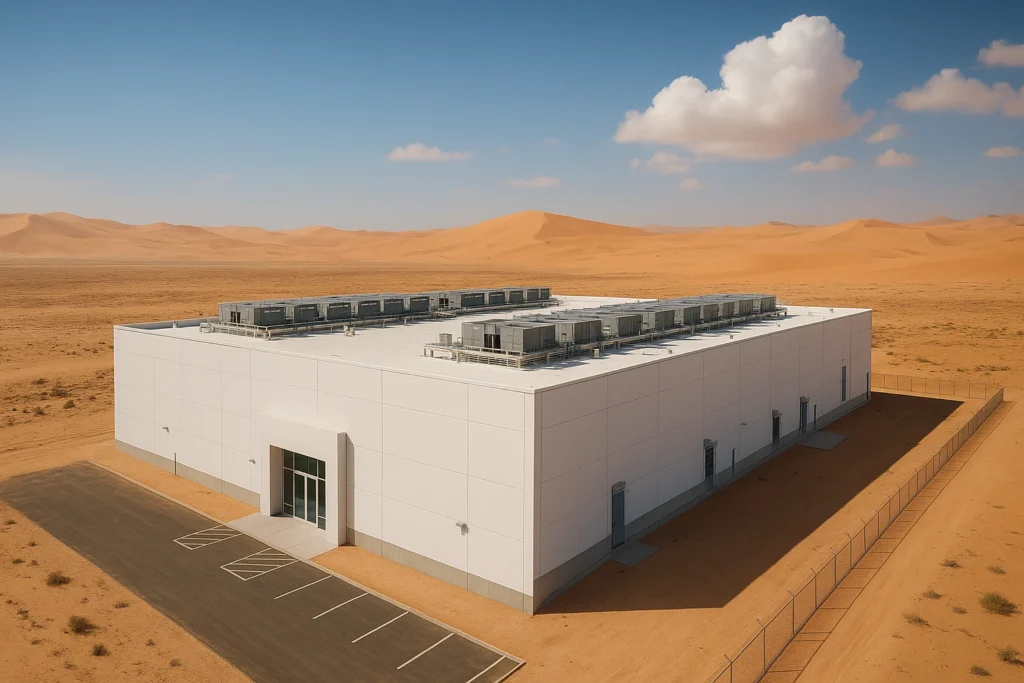
The climate zone directly affects cooling efficiency. Cooling is one of the most significant cost components of a data center, so regions with moderate or cold temperatures help reduce energy consumption and enable natural cooling for most of the year. This increases overall energy efficiency and reduces the total cost of infrastructure ownership.
When assessing climate conditions, the following factors are considered:
- average annual temperature;
- air humidity;
- seasonal variations;
- extreme weather events.
Excessively hot climates increase the load on ventilation and cooling systems, accelerating equipment wear and raising operating costs. High humidity may also create additional requirements for microclimate control and condensation protection systems.
Connectivity Ecosystem and Carrier Density
A developed telecommunications environment is one of the key advantages of a region when choosing a data center location. The density of carriers, the presence of internet exchange points, and access to international backbone channels determine routing quality and data transfer speed. The more providers there are in a region, the greater the flexibility in choosing connectivity options and the lower the risk of dependence on a single carrier.
To assess the connectivity ecosystem, the following parameters are considered:
- availability of major international and local carriers;
- access to IX platforms and backbone exchange points;
- options for direct connections to cloud providers;
- alternative routes to ensure redundancy.
In regions with a high concentration of carriers, it is easier to build hybrid and distributed architectures, establish direct private connections, and reduce latency. Diversity among carriers also helps optimize connectivity costs and increase network resilience. In regions with limited telecom development, companies face fewer backbone options, higher latency, and reduced flexibility when scaling infrastructure.
Compliance and Local Regulations
Regulatory requirements are an important part of the location selection process. Each country has its own rules for data storage, privacy obligations, security standards, and infrastructure access conditions. Non-compliance can lead to restricted market access or legal risks, so the choice of site must account for the specifics of local legislation.
Key aspects include:
- personal data storage requirements;
- security and certification standards;
- restrictions on transferring traffic outside the region;
- requirements for infrastructure registration and auditing.
Some markets require certain categories of data to be stored exclusively within the country. Other regions enforce strict controls on cross-border data transfers, especially in finance, telecommunications, and government services.
It is also important to consider technical standards and security requirements adopted in the region. Some facilities offer certification confirming compliance with international norms, which simplifies service deployment and integration into corporate processes.
Compliance has a direct impact on architectural decisions. If a service operates in multiple countries, a distributed infrastructure may be required, where certain components are hosted in different locations according to local regulations. Therefore, assessing the regulatory environment is a mandatory part of planning.
Natural Disaster Risks
Natural disaster risks are another important factor influencing the choice of a data center location. The level of threat from earthquakes, floods, hurricanes, droughts, wildfires, or volcanic activity directly determines the engineering requirements and overall infrastructure resilience. The higher the likelihood of natural disasters, the more complex and costly it becomes to ensure safety.
When assessing risk, the following aspects are typically analyzed:
- seismic activity in the region;
- proximity to bodies of water and flood probability;
- seasonal weather events (storms, hurricanes, snow cycles);
- historical data on power outages;
- the need for specialized engineering solutions.
Data centers in high-risk regions must have reinforced foundations, additional redundancy levels, and specific requirements for equipment placement and fire suppression systems. This increases the cost of ownership and complicates operations.
Countries with low natural disaster risks offer more stable conditions, helping maintain predictable availability levels and reducing the need for expensive protective measures. For this reason, analyzing geological and climate-related threats is a mandatory part of site selection.
Cost Structure and Local Infrastructure
The cost of operating a data center depends not only on leasing or constructing a facility but also on the local infrastructure of the region. Different countries show significant variation in electricity prices, telecom service costs, taxes, logistics, and the availability of skilled specialists. These factors influence the overall economic efficiency of long-term deployment.
Key factors include:
- energy cost and availability;
- cooling expenses depending on climate;
- telecom service tariffs;
- cost of leasing or constructing a facility;
- availability of engineering and technical talent;
- logistics and accessibility of the site.
A region with a well-developed engineering infrastructure provides lower operating costs: convenient connectivity options, stable power supply, access to qualified teams, and predictable operating conditions.
Conversely, remote or less developed regions may face difficulties with equipment delivery, higher backbone connectivity costs, and fewer local providers. This increases project expenses and creates additional operational risks.
Sustainability Considerations
Infrastructure sustainability is becoming an important criterion when choosing a data center location. Companies aim to reduce their carbon footprint, minimize energy consumption, and use renewable energy sources. Regions that offer access to clean electricity and support programs for energy-efficient technologies enable the development of more sustainable and cost-effective solutions.
Key sustainability aspects include:
- availability of renewable energy (solar, wind, hydro);
- opportunities for natural cooling;
- local environmental regulations;
- PUE metrics and potential for optimization;
- resilience of the energy system to climate change.
Locations with developed green energy give companies the ability not only to reduce operational costs but also to meet corporate sustainability goals. This is especially important for businesses operating in international markets and following ESG policies.
Choosing the Right Location: Practical Framework
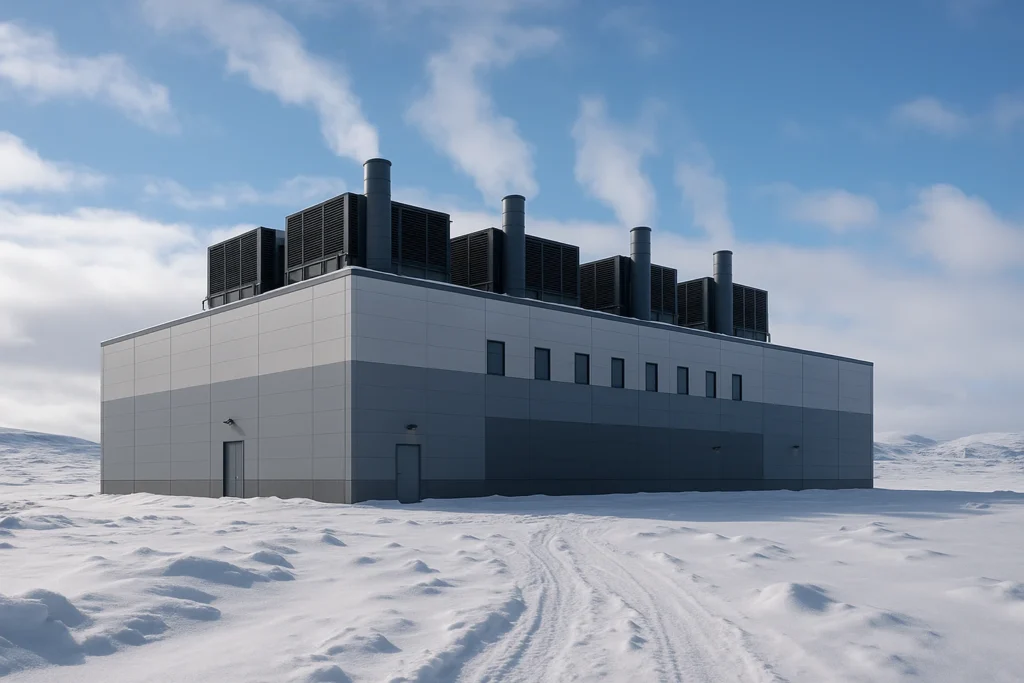
Selecting a location requires a systematic approach. To compare several regions or facilities, it is useful to follow a structured methodology that evaluates key parameters and aligns them with business needs.
A practical evaluation framework includes:
- Defining core technical requirements.
Channel capacity, latency, availability level, redundancy needs. - Analyzing the geographical distribution of users.
Understanding where end users and key services are located to determine the optimal reach radius. - Assessing the telecommunications ecosystem.
Carrier availability, internet exchange points, direct cloud connections, quality of backbone networks. - Reviewing the power infrastructure.
Power delivery reliability, availability of backup lines, tariff stability, historical outage duration. - Evaluating climate conditions.
Natural cooling potential, seasonal variations, the impact of humidity and extreme temperatures. - Assessing natural disaster risks.
Seismic activity, flood probability, storms, wildfires, and the impact of weather anomalies. - Analyzing local regulations and compliance requirements.
Data storage rules, cross-border transfer restrictions, certification. - Conducting a financial assessment.
Electricity costs, telecom service prices, logistics, leasing and operational expenses. - Evaluating sustainability and environmental factors.
Energy-efficiency metrics, access to renewable energy sources, potential for reducing carbon impact. - Comparing sites based on strategic business goals.
Scalability, access to partners, regional development prospects.
Such an approach helps make decisions based not on intuition but on objective, measurable parameters. It reduces risks and ensures predictable infrastructure development over the long term.
What to Consider When Making the Final Choice
Even with the widespread adoption of cloud platforms, the physical placement of infrastructure continues to affect latency, power availability, network stability, compliance, and the ability to support scalable services in an international environment.
An optimal site should combine a developed telecommunications ecosystem, stable power supply, low natural disaster risks, predictable operating costs, and adherence to regulatory requirements. Climate, carrier density, access to renewable energy sources, and the quality of local engineering infrastructure also play a critical role.
Using a systematic approach to location selection helps companies account for all key factors and find the right balance between technical requirements, long-term resilience, and financial viability. As a result, the infrastructure becomes more reliable, manageable, and ready to scale as workload and geographic presence grow.
You May Also Read: Nova Scola: The Rise of a New School of Thought in Modern Education