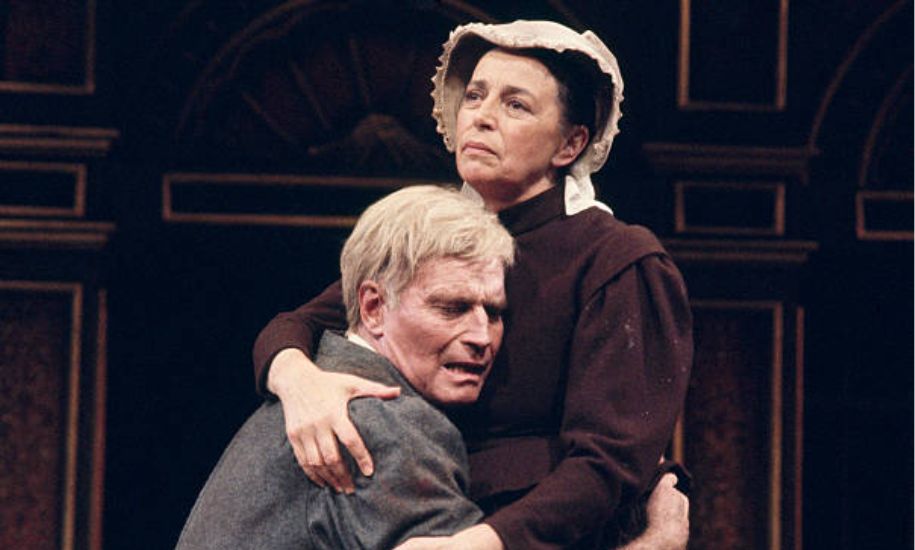
Introduction
Gwen Watford was a respected British actress known for her powerful performances on stage, television, and film. Throughout a career that lasted nearly five decades, she earned admiration for her versatility, professionalism, and ability to bring depth to every character she portrayed. From her early beginnings in theatre to her appearances in classic films and British television dramas, Watford became one of the most recognizable character actresses of her time.
Born in London on 10 September 1927, she grew up in a cultural environment that eventually led her toward acting. Over the years she worked with many renowned performers and directors, becoming an important part of British theatre and television history. Her career spanned from the mid-1940s until the early 1990s, ending shortly before her death in 1994 at the age of 66.
This article explores who Gwen Watford was, her early life, acting career, movies and TV shows, personal life, children, husband Richard Bebb, her cause of death, and her lasting legacy.
Early Life and Childhood
Gwendoline Watford, popularly known as Gwen Watford, was born on 10 September 1927 in London, England. Growing up in the British capital, she was surrounded by a vibrant artistic and cultural scene that would later influence her career.
From a young age, Watford showed a strong interest in performing arts. Her talent was recognized early by theatre professionals, including the legendary British actor and director Sir John Gielgud, who played a major role in helping launch her career. Gielgud reportedly noticed her acting ability while she was still a student and encouraged her to pursue acting professionally.
Thanks to this encouragement, Gwen Watford made her professional stage debut in London in 1945, when she was still a teenager. This opportunity opened the door for what would become a long and successful career in theatre and television.
Gwen Watford Young: Beginning of Her Acting Career
When Gwen Watford was young, she quickly established herself as a talented stage actress. In the years following her debut, she worked extensively in London’s West End theatre productions. Theatre was the foundation of her career, and it helped her develop strong acting skills that later translated into television and film.
During the late 1940s and 1950s, British theatre was thriving, and Watford became part of this exciting period. Her stage performances gained critical recognition and helped her secure roles in television productions as the medium became increasingly popular.
Her ability to portray a wide range of characters—from dramatic roles to lighter comedic parts—made her a sought-after performer.
Rise to Fame in Television
By the 1950s and 1960s, television had become a dominant form of entertainment in the United Kingdom. Gwen Watford successfully transitioned from stage to television, appearing in numerous dramas, adaptations, and serial productions.
British television during this era often featured theatrical actors because of their strong training, and Watford’s stage experience made her ideal for the medium.
Some of the television productions she appeared in include:
- Don’t Forget to Write!
- Crown Court
- Relatively Speaking
- Agatha Christie’s Miss Marple
- The Winslow Boy
- Behaving Badly
Her role as Dolly Bantry in the Miss Marple series is particularly remembered by fans of classic British television. Her performances were known for being intelligent, expressive, and emotionally compelling.
Gwen Watford Movies and TV Shows
Although theatre and television were the main focus of her career, Gwen Watford also appeared in several films throughout the 1960s, 1970s, and 1980s.
Some of her most notable films include:
1. Cleopatra (1963)
One of her most recognized roles was in the historical epic Cleopatra, starring Elizabeth Taylor and Richard Burton. In this film, Watford portrayed Calpurnia, the wife of Julius Caesar.
2. Never Take Sweets from a Stranger (1960)
This dramatic film tackled sensitive social themes and remains one of her notable early film appearances.
3. The Grass Is Greener (1960)
A romantic comedy featuring major British stars, where Watford appeared in a supporting role.
4. The Very Edge (1963)
A thriller film that further showcased her versatility as an actress.
5. Taste the Blood of Dracula (1969)
This horror film produced by Hammer Studios introduced her to a new genre audience.
6. The Ghoul (1975)
Another horror film that featured several well-known actors of the era.
7. Cry Freedom (1987)
A historical drama about the anti-apartheid movement in South Africa, where Watford appeared later in her career.
Through these productions, she demonstrated her ability to adapt to different genres including historical drama, thriller, horror, and political drama.
Theatre Achievements and Awards
Despite her film and television success, Gwen Watford remained deeply connected to theatre. Many critics considered her stage performances to be among the finest aspects of her career.
One of her greatest achievements came in 1981, when she won a West End Theatre Award (later known as the Olivier Award) for her performance in Noël Coward’s play Present Laughter.
Winning such a prestigious award confirmed her reputation as one of Britain’s most accomplished theatre actresses.
Her stage career included performances in numerous classic plays, and she worked with some of the most respected theatre companies in the United Kingdom.
Gwen Watford Husband: Richard Bebb
Gwen Watford married fellow actor Richard Bebb in 1952. Their marriage lasted more than four decades and remained strong until her death in 1994.
Richard Bebb was also a well-known British actor who appeared in theatre, television, and film. The couple shared a deep connection through their profession and often supported each other’s work in the performing arts.
Their marriage was considered one of the long-lasting relationships in the British acting community.
Gwen Watford Children and Sons
Gwen Watford and Richard Bebb had two sons together. Unlike their parents, their children chose to live relatively private lives away from public attention.
Because of this, limited information is available about Gwen Watford’s sons. However, it is known that Watford prioritized family life alongside her demanding acting career.
Balancing work and family was not always easy in the entertainment industry, but she managed to maintain both successfully.
Gwen Watford and Moray Watson
During her career, Gwen Watford worked in the same professional circles as many prominent British actors, including Moray Watson.
Moray Watson was another respected English actor who appeared in numerous television dramas and films during the same era. He became widely known for his role in the popular British series The Darling Buds of May.
Although Watford and Watson were not married or directly related, they both contributed significantly to the golden era of British television and theatre. Their careers occasionally overlapped in the industry, and both actors were admired for their strong performances and dedication to acting.
Gwen Watford Cause of Death
Gwen Watford died on 6 February 1994 in London, at the age of 66.
Her death marked the end of a long and distinguished acting career that spanned nearly 50 years.
Reports indicate that she died after suffering from cancer, which ultimately ended her life. Her passing was deeply felt in the British theatre and television community, where she had built strong friendships and professional relationships over the decades.
Many actors, directors, and theatre professionals attended memorial services held in her honor.
Gwen Watford Grave and Memorial
Following her death, memorial services were held to celebrate her life and career. One of the most notable services took place at St Paul’s Church in Covent Garden, often referred to as “The Actors’ Church.”
This historic church has long been associated with the British theatre community and has hosted memorials for many actors and performers.
Although detailed public information about Gwen Watford’s grave is limited, her memory continues to be honored by theatre historians, film enthusiasts, and fans of classic British television.
Legacy of Gwen Watford
Gwen Watford left behind an impressive legacy in British performing arts. Her career demonstrated remarkable longevity, versatility, and dedication.
Key elements of her legacy include:
- Nearly 50 years of acting experience
- Strong contributions to British theatre
- Memorable roles in television dramas
- Appearances in major films including Cleopatra
- Winning a prestigious West End Theatre Award
Many fans still remember her performances in classic British television productions, which continue to be shown in archives and streaming platforms.
Her career serves as an example of how character actors can play an essential role in shaping film and television history.
Conclusion
Gwen Watford remains one of the most respected British actresses of the 20th century. From her early days as a young stage performer to her award-winning theatre roles and memorable television appearances, she built a remarkable career based on talent and dedication.
Her marriage to actor Richard Bebb, her role as a mother of two sons, and her professional collaborations with other actors such as Moray Watson all formed part of a life devoted to the performing arts.
Although she passed away in 1994, Gwen Watford’s work continues to be appreciated by theatre lovers and classic television fans around the world.
Today, her performances remain an important part of British entertainment history, and audiences can still discover her work through classic films and television productions.
For readers who enjoy learning about legendary actors, classic films, and entertainment history, you can explore more articles like this on the English blog moviesmod, where timeless stories from the world of cinema and television are regularly shared.