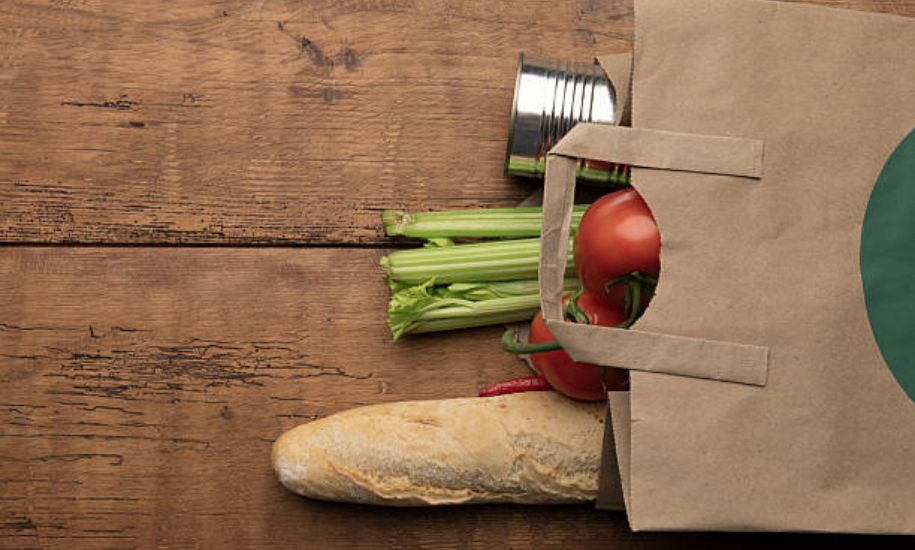
Paper bags are widely used in retail and food packaging. A range of standardized paper bag shapes allows to accommodate specific product types, handling requirements, and presentation needs. Bottom construction, side expansion, and carrying features of a paper bag determine how effectively the bag supports different retail and food packaging applications while balancing cost, convenience, and product protection. Common designs include:
Flat bag
One of the most common shapes is the flat paper bag, or V-bottom paper bag. These bags have no side or bottom gussets and are typically used for lightweight, flat items such as sandwiches, pastries, bakery goods, or small retail products. Flat bags are simple to manufacture, economical, and easy to store in large quantities. In food applications, they are often made from grease-resistant paper to prevent oil transfer and maintain product appearance.
Satchel-style bag
Satchel-style bags, or V-shaped bags https://pa-perbag.com/wholesale-post/packages-with-a-v-shape-bottom-sachet/, are another widely used option, especially in food packaging. These bags include a flat bottom and side gussets that allow the bag to expand when filled. This shape is well suited for takeaway food, baked goods, and small grocery items, as it provides better capacity and stability than flat bags. Satchel bags can stand upright when filled, making them practical for counter service and customer handling.
Square bag
S.O.S. (self-opening square) bags are a standard shape in both retail and food service environments. Characterized by a rectangular base and expandable side gussets, these bags are designed to open easily and stand independently. Their structure makes them suitable for heavier items, boxed food orders, and multi-item purchases. In food delivery and takeaway contexts, S.O.S. bags are frequently used because they accommodate containers securely and reduce the risk of tipping.
Block bottom bag
Block bottom bags represent a variation designed for improved stability and visual presentation. These bags have a reinforced, flat base that allows them to stand upright even when empty. Block bottom bags are commonly used for premium food products, confectionery, coffee, and specialty retail items. Their shape supports attractive shelf display and controlled portioning, particularly in packaged food retail.
Bags with handles
Twisted-handle and flat-handle paper bags are primarily associated with retail but are increasingly used in food packaging for larger takeaway orders. These bags are based on a rectangular, gusseted structure similar to B.O.S. bags but include integrated handles for carrying convenience. The added height and strength make them suitable for clothing, gift items, groceries, and multi-container food orders. Handle design influences load capacity and customer comfort.
Restaurant bag
Greaseproof and quick-service restaurant bags often adapt these core shapes with material modifications rather than structural changes. For example, gusseted bags used for fried foods or burgers may incorporate ventilation holes or absorbent paper layers to manage steam and moisture. The underlying shape remains consistent, but functional performance is enhanced for food-specific requirements.
You should also visit: Your Guide to Choosing Truly Ethical Tote Bags