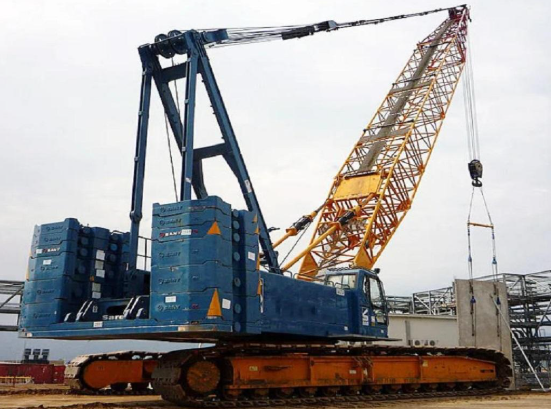
Mobile cranes offer strong advantages when projects take place in narrow or crowded areas. Their flexible movement, compact footprint, and quick setup help crews work efficiently without major site changes. Contractors rely on mobile cranes to manage heavy lifts where stationary equipment cannot operate. These benefits improve workflow, reduce delays, and support safe lifting in challenging spaces across modern construction sites.
Maneuverability and On-Site Flexibility
Moving Efficiently Through Narrow or Confined Areas
Mobile cranes move smoothly through tight or crowded spaces thanks to their compact design and strong steering systems. They can access narrow paths, alleys, or dense construction zones where larger equipment cannot fit. This flexibility allows crews to position the crane close to the lift point without heavy site preparation. Easy navigation improves efficiency and reduces the time needed to reach critical work areas.
Adjusting Position Quickly Without Major Setup
Operators can reposition mobile cranes quickly because they require minimal setup to begin working. A small adjustment often takes only minutes, allowing the crane to adapt as tasks change. This mobility helps crews avoid delays caused by shifting job-site priorities. The ability to reposition without dismantling equipment supports continuous work and keeps lifting operations smooth, even when the site layout changes throughout the day.
Operating Smoothly Around Active Workflows
Faster Setup and Reduced Space Requirements
Eliminating the Need for Large Foundation Work
Unlike stationary lifts, mobile cranes do not require large foundations or heavy structural supports. Their built-in outriggers and stabilizers provide the necessary balance without major site changes. This eliminates costly preparation work and speeds up the start of lifting operations. With less ground modification needed, crews can use limited space more effectively and avoid delays related to building or adjusting support structures.
Completing Setup With Minimal Crew and Equipment
Mobile cranes arrive mostly assembled and need fewer workers to prepare them for lifting. Crews can complete setup quickly using basic tools and simple steps. This efficiency reduces labor costs and helps projects meet tight deadlines. Because operators can handle most setup tasks directly, the site stays organized and less crowded. This streamlined process is especially valuable in restricted zones with limited available space.

Adapting Boom Length and Angles in Limited Space
Mobile cranes allow operators to adjust boom length and angles based on space constraints. These adjustments help the crane reach specific lift points without requiring large swing areas. Flexible boom control supports precise placement in areas surrounded by buildings, scaffolding, or fencing. This adaptability makes mobile cranes ideal for complex job sites where space is limited but accuracy remains essential for safe and efficient lifting.
Enhanced Efficiency in Dynamic Job Conditions
Performing Multiple Lifts Across Changing Locations
Mobile cranes support multiple lifts across different locations without needing full disassembly each time. Crews can complete several tasks in one shift by moving the crane quickly between areas. This flexibility improves overall project speed and reduces waiting times for materials. As the site needs change, the crane adjusts easily to new lift points, keeping productivity high even when job conditions shift unexpectedly.
Responding Quickly to On-Site Adjustments
Construction sites often require fast changes to lifting plans, and mobile cranes respond well to these adjustments. Operators can shift position, modify boom angle, or change lifting direction without lengthy delays. This responsive performance helps crews solve issues quickly, stay on schedule, and maintain steady progress. Flexible handling ensures the crane continues to meet demands as work evolves.
Maintaining Productivity in Space-Restricted Areas
Mobile cranes stay productive even in limited spaces where other lifting methods struggle. Their ability to maneuver, reposition, and adapt to tight conditions keeps the workflow smooth. Crews avoid the downtime that often comes with large stationary cranes. This consistent performance helps projects remain on track and ensures lifts happen safely and efficiently despite spatial limitations on crowded construction sites.
Safety Advantages in Tight Work Zones
Better Control Over Load Movement in Confined Spots
Mobile cranes offer precise control, allowing operators to guide loads smoothly through tight spaces. This accuracy reduces the chance of hitting structures or equipment during lifts. Stable hydraulics and responsive controls help maintain safe movement even when space is limited. This control gives crews confidence when handling materials and supports safer operations in areas where every inch matters.
Lower Risk of Interference With Nearby Structures
Because mobile cranes require smaller working areas, they reduce the risk of contacting walls, scaffolding, or overhead features. Their compact swing radius limits accidental interference with surrounding structures. This safety benefit protects both workers and nearby property. Mobile cranes also allow operators to choose the safest angle and distance for each lift, lowering the chance of unexpected collisions during operation.
Improved Operator Visibility and Precision
Operators benefit from better visibility when using the mobile crane crane, making it easier to monitor the load and the surrounding area. Clear sightlines support accurate movements and safer handling in confined zones. Many mobile cranes include advanced cameras and sensors that further improve precision. Enhanced vision helps operators avoid hazards, maintain steady control, and complete lifts safely even when space is tight.
Conclusion
Mobile cranes excel in tight zones because they move easily, adapt quickly, and deliver strong lifting performance with minimal setup. Their compact design fits demanding sites where stationary lifts cannot operate. These cranes support safer, faster, and more efficient workflows, helping crews manage multiple tasks without interruption. For projects facing space challenges, mobile cranes remain the most practical and effective lifting solution.